







Search Results for: Olympic symbol infringement
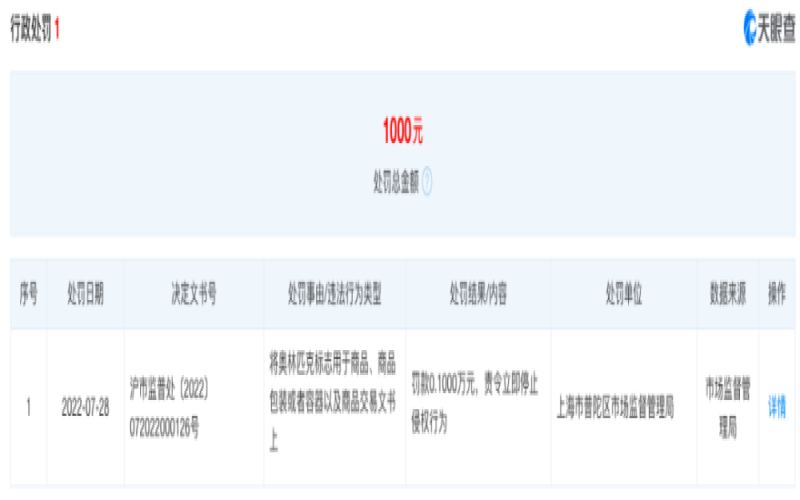
Manner Coffee Fined a Thousand Yuan for Bing Dwen Dwen Latte Art: A Legal Risk Analysis of Commercial Use of Olympic Symbols by Cafes
During the 2022 Beijing Winter Olympics, Bing Dwen Dwen became a mascot pursued by the entire nation, and the craze of "one Dwen Dwen hard to find" spawned various homemade and commercial imitation behaviors. A Manner coffee shop in Shanghai was fined a thousand yuan by market regulators for making latte art coffee resembling Bing Dwen Dwen, sparking industry attention to the boundaries of commercial use of Olympic symbols. This article reviews the penalty details of the incident, the legal basis, and typical cases from the same period, helping coffee practitioners clarify the line between creative latte art and infringement, and avoid inadvertently crossing intellectual property red lines. [more…]
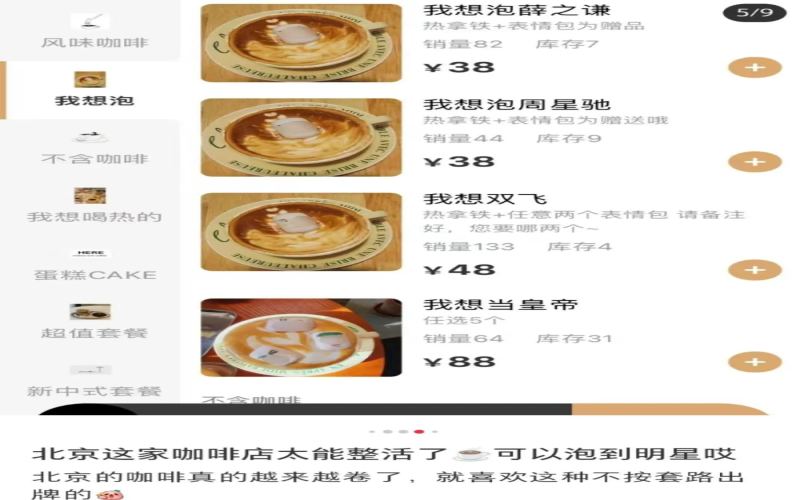
38-yuan latte paired with celebrity-face marshmallows: coffee shop's creative marketing goes viral, portrait rights risk sparks heated debate
Recently, a "I Want to Soak" latte series launched by a coffee shop in Beijing has drawn attention on social media. The series features marshmallows printed with the faces of male celebrities, priced at 38 yuan each, with the option to add more marshmallows for an extra charge, and even offers a 48-yuan two-person option and an 88-yuan five-person option. This novel format has attracted many fans to visit and post about it, but it has also sparked controversy: some consumers find the face-printed marshmallows unappetizing, and more people question whether the shop's use of celebrity likenesses as a promotional selling point without authorization may constitute infringement. Innovation in the coffee industry is worth encouraging, but it must be done within the legal framework. [more…]
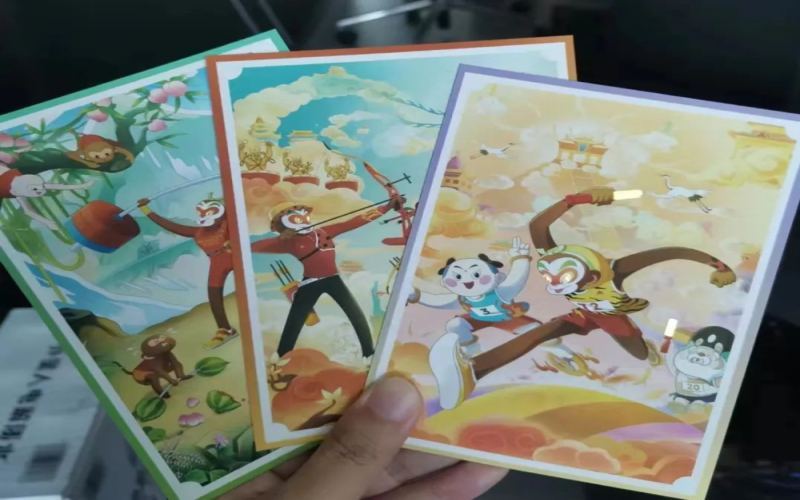
Luckin Coffee's co-branded merchandise with Havoc in Heaven sees a cold reception, postcards' value for money called into question, staff say only single digits given out per day
Luckin Coffee recently collaborated with the "Havoc in Heaven" IP to launch Olympic-themed limited-edition merchandise, but the co-branding campaign that was initially highly anticipated unexpectedly fell flat. Although many consumers frequently placed orders to collect the merchandise in the early days of the campaign, the subsequently released gold-stamped postcards failed to sustain the momentum. Staff at many locations reported that very few postcards were given out, in stark contrast to the previous week's frenzy when cup sleeves and stickers sold out. Consumers generally felt that the merchandise offered poor value for money, with nearly ten yuan of a two-cup combo going toward six pieces of paper, lacking practicality and appeal. This article will analyze in detail the reasons behind the co-branding campaign's cold reception, compare it with the earlier successful collaboration with "The Tale of Rose," and explore the timing, conditions, and human factors required for successful co-branding marketing. [more…]
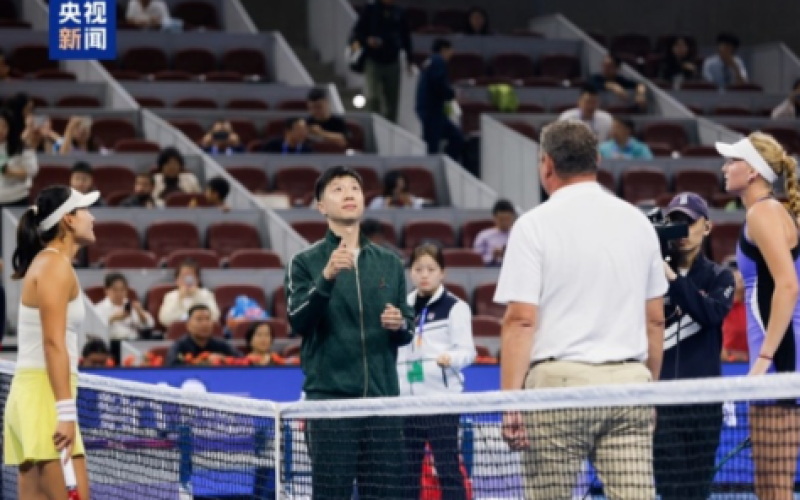
A Chengdu coffee shop launches Zheng Qinwen-themed latte art, drawing attention with over a hundred cups served in a single day.
The 2024 China Open kicked off in Beijing, with Paris Olympic women's singles champion Zheng Qinwen competing as the tournament's No. 5 seed, igniting a nationwide tennis craze. Meanwhile, a cafe owner in Chengdu went viral online for creating a "Queen Ka" Zheng Qinwen latte art coffee, making over a hundred cups a day at peak times and drawing numerous tennis fans and coffee lovers to visit. This creative latte art not only became a hot topic on social media but also showed people the sparks flying when coffee meets sports passion. [more…]
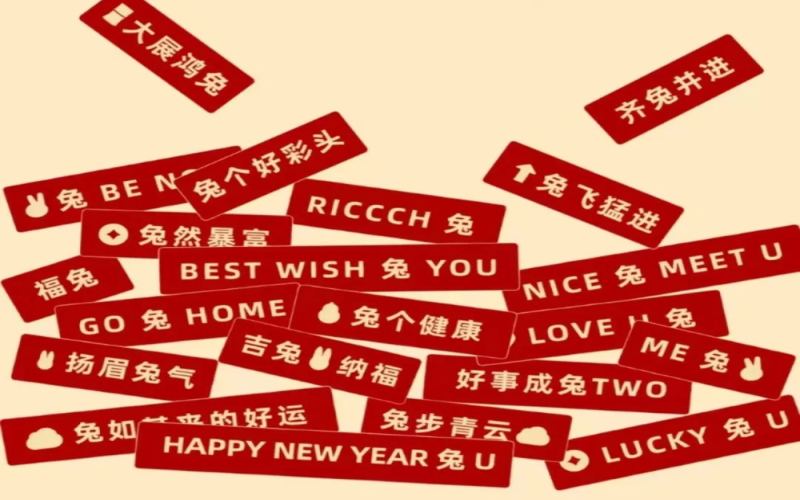
The Rabbit Zodiac IP Becomes a New Battleground for Coffee Marketing: A Review of New Year Limited-Edition Strategies from Luckin, Starbucks, Nestlé, and Other Brands
As the Lunar Year of the Rabbit approaches, the New Year marketing battle in the coffee beverage industry has quietly begun. Major brands are launching creative campaigns around the zodiac "rabbit," from puns and auspicious sayings to limited-edition new products, from co-branded designs to merchandise, all trying to capture consumer mindshare in the fierce market competition. Luckin has teamed up with artist Han Meilin to launch the "Double Rabbit" series, Starbucks offers three limited-edition drinks paired with cute rabbit merchandise, and Nestle Nespresso has collaborated with designer Angel Chen to create an eco-themed gift box. This article reviews the Chinese New Year marketing moves of major coffee brands, analyzes how zodiac IPs help brands build emotional connections with consumers, and explores that, amid the trend, product quality and creative output are the key to standing out. [more…]
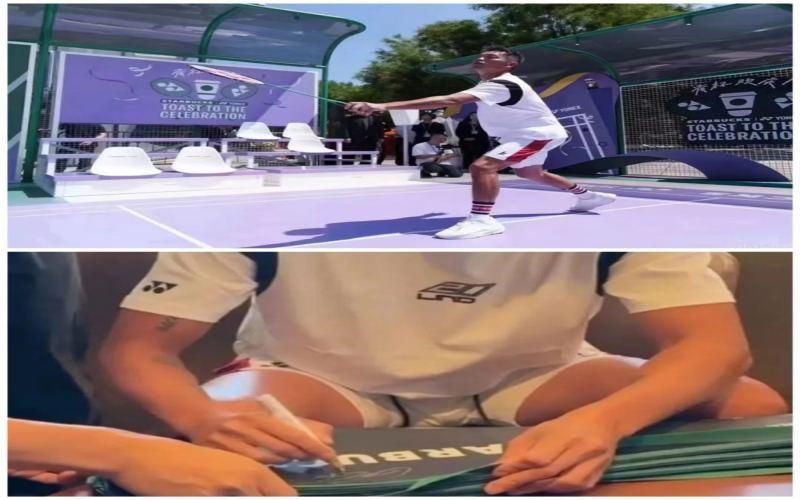
Starbucks teams up with YONEX to invite Lin Dan for an appearance—why are reviews so polarized on the new sports season drinks and co-branded merchandise?
Amid the Paris Olympics hype, Starbucks has teamed up with renowned badminton brand YONEX for a collaboration, launching limited-edition rackets, playful cup sleeves, and a range of sports-themed merchandise. They also invited badminton legend Lin Dan to appear at the Beijing Sanlitun store for the promotion, where he interacted with fans by swinging rackets and signing autographs. Meanwhile, the brand introduced an alcohol-free cold brew inspired by French sparkling wine and two sports-limited-edition cakes. However, reviews of the new products have been notably polarized: the cold brew was praised by some consumers as refreshing and sweet, while others criticized it for having an odd flavor; the cupcakes received more negative reviews for their dry and hard texture. Despite the massive hype of the collaboration, the controversy over the quality control of the drinks and pastries has led some netizens to question whether the brand is 'putting the cart before the horse'. [more…]
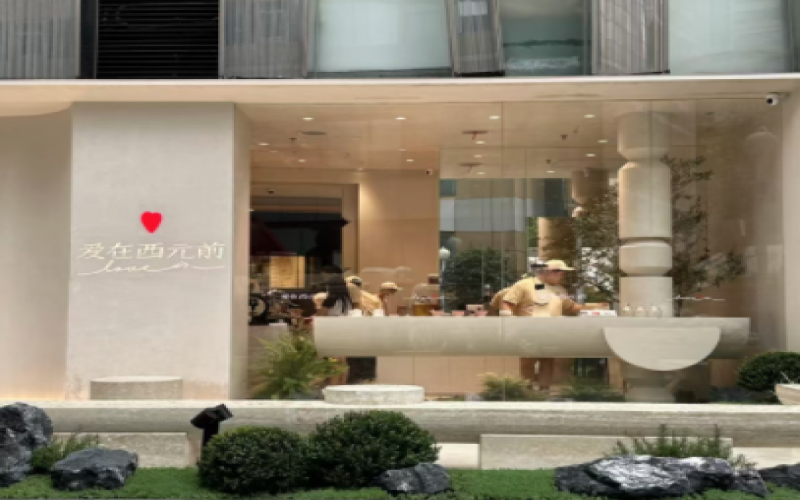
During Jay Chou's Nanjing concert, the "Love Before the Common Era" themed coffee shop opened simultaneously at Xinjiekou Golden Eagle.
Jay Chou's 2024 Carnival concert tour Nanjing stop will be held from September 26 to 29 at Nanjing Olympic Sports Center Stadium, with four consecutive days of performances expected to attract 120,000 spectators. At the same time, a Jay Chou-themed coffee shop called "Love in Coffee" has officially opened at Nanjing Xinjiekou Golden Eagle, making its debut alongside the concert. This coffee shop focuses on estate-grade coffee beans and Michelin three-star desserts, with an interior design infused with the poetic fantasy of "Love in Coffee," where greenery and stone intertwine, and mirrored light and shadow create a dreamy atmosphere. Many product names are taken from Jay Chou's classic songs, allowing fans to taste "lyric" drinks while listening to their idol's music. The first Beijing Sanlitun store had previously attracted a large number of fans to check in, and the operator, Star Plus, has close ties with Jay Chou. This article takes you through the features, prices, and fan experience of this celebrity coffee shop. [more…]
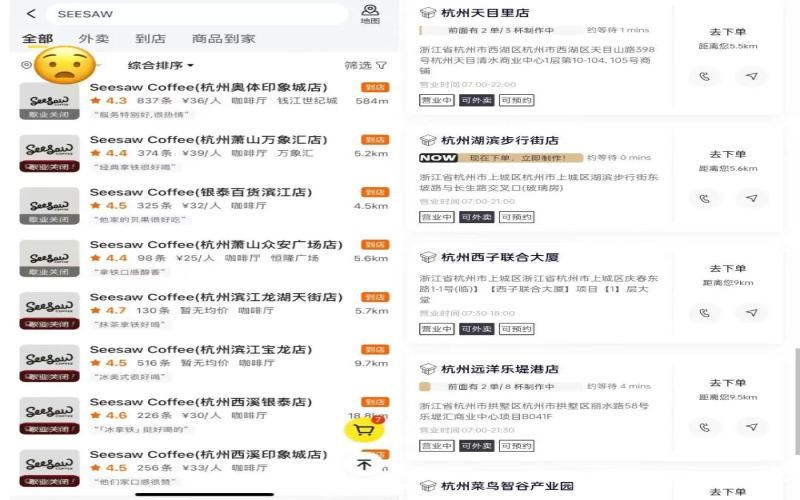
Within six months, the number of stores has shrunk by fifty, as the specialty coffee brand Seesaw once again shuts down on a large scale.
Seesaw Coffee, once regarded as one of the representatives of domestic specialty coffee, has seen a sharp shrinkage in its number of stores within just half a year. From the end of last year to June this year, a total of 50 stores across the country quietly disappeared, with store closures reported one after another in places such as Hangzhou and Suzhou, drawing attention from consumers and the industry. At the same time, Seesaw has not stopped expanding, but instead has turned its sights to smaller cities with relatively less intense competition, such as Guiyang and Luoyang, attempting to find a new way out through a franchise model. Against the backdrop of an increasingly fierce price war in the coffee market, the adjustments and struggles of this specialty coffee brand reflect the survival pressure facing the entire industry. [more…]
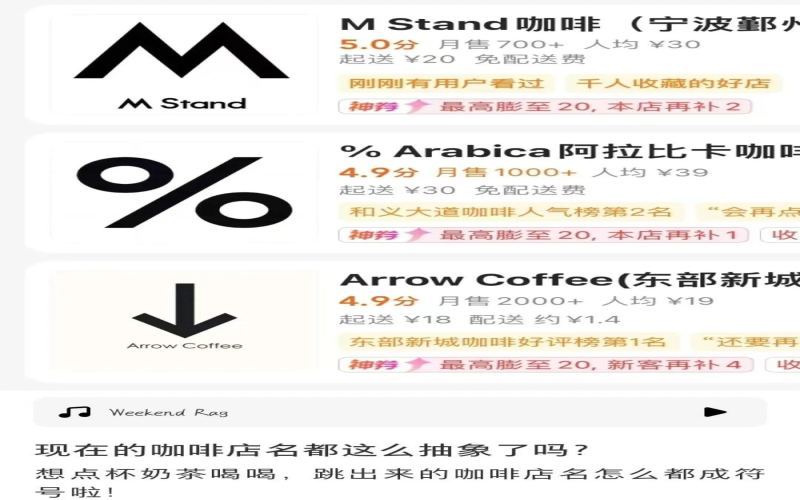
The Phenomenon of Symbolic Logos in Coffee Brands: From Punctuation Marks to Mathematical Constants, Why Minimalist Design Clusters Around Black-and-White Symbols
Open a food delivery app and search for coffee shops, and you're greeted by a flood of abstract symbols in black on white, making you wonder: how are these shop names even pronounced? Some netizens have discovered that by simply taking punctuation marks and mathematical symbols from a keyboard, bolding them, and putting them on a white background, you can mass-produce brand logos. The comments section is full of people sharing images confirming this, with commas, question marks, double quotation marks, multiplication signs, the mathematical constant π, the infinity symbol ∞, and even the # and * on a phone's dial pad all becoming visual identifiers for coffee brands. This trend of minimalist black-and-white symbols, represented by %Arabica and Mstand, is it a form of individual expression or a case of blindly imitating what others do? When consumers can't even name the symbols, how are brands supposed to be remembered? [more…]
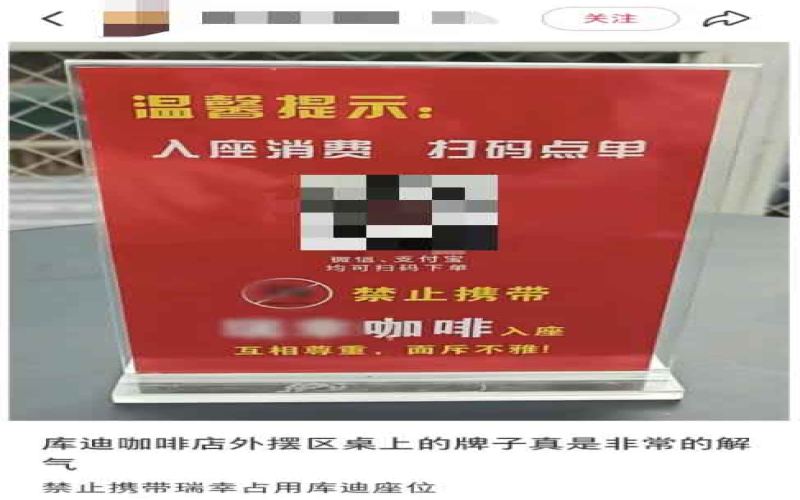
A Cotti Coffee store notice banning customers from bringing competitor coffee to sit in the store has sparked controversy, and the company officially responded that there is no unified requirement.
Recently, a netizen exposed that a certain Cotti Coffee store placed a notice sign in its outdoor seating area, explicitly prohibiting customers from bringing coffee of other brands to sit down, and marking competitor logos with a prohibition symbol. This practice quickly sparked heated discussion: supporters believe that businesses have the right to set consumption-based seating rules, while opponents question whether it涉嫌 excludes competitors and infringes on consumers' right to choose independently. As the topic trended on social media, Cotti officially responded that it had not uniformly required stores to use such notice signs and would verify the relevant situation. Behind the incident, the boundary between business autonomy and consumer rights has once again become the focus. [more…]
From Coffee Cherry to Chemical Formula: Are Baristas' Tattoos a Passion or an Identity?
Tattoos were once seen as a symbol of rebellion, but today they have become an important way for young people to express their beliefs and commemorate what matters to them. For baristas, wearing coffee cherries, portafilters, latte art patterns, or even the chemical formula for caffeine on their skin is both a display of personal aesthetics and a heartfelt declaration of devotion to the coffee craft. This article rounds up the tattoo themes most commonly seen on baristas, from classic equipment to creative combinations, and also addresses an intriguing question: does having more tattoos mean you make better coffee? The answer may be more rational than you'd imagine. [more…]
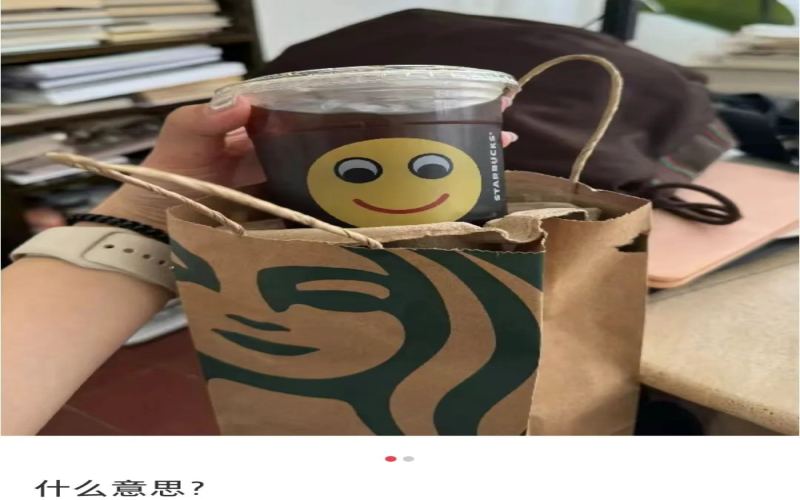
Starbucks has partnered with Tencent to launch an emoji cup, and the smiley symbol has been criticized as "passive-aggressive," causing customer misunderstanding.
Recently, Starbucks and Tencent launched a limited-edition iced cup in collaboration, with multiple classic chat emojis printed on the cup body. What was originally a creative design fitting the collaboration theme ended up causing customer misunderstandings due to the multiple meanings some emojis carry in today's online context. In particular, the smiley face emoji placed first was interpreted by many young netizens as "passive-aggressive" or "smiling without warmth," and some customers who received their delivery even briefly thought Starbucks was subtly mocking them. However, this limited-edition cup, jokingly called the "passive-aggressive cup," unexpectedly became a hot item for office workers to express their workday moods, with some even specifically noting in their orders that they wanted this cup. Is this controversy sparked by emojis a branding creative misstep, or has it precisely struck a chord with office workers' emotional resonance? Let's take a closer look. [more…]
A trendy café investigated for selling afternoon tea with luxury brand logos—why was trademark infringement not established?
A while back, a "ladies-who-lunch afternoon tea" trend took the internet by storm. A trendy café in Ningbo drew crowds of customers checking in after it printed "LV" and "CHANEL" logos on its coffee and cakes, but it also caught the attention of market regulators. After investigation, law enforcement determined that the shop's actions did not constitute trademark infringement, but were suspected of violating the Anti-Unfair Competition Law, and it was ultimately fined and had its printing molds confiscated. Behind this case lies the delicate game between creative marketing and legal boundaries. Today, Front Street Coffee will walk everyone through what happened and talk about the bottom line and limits of brand marketing. [more…]
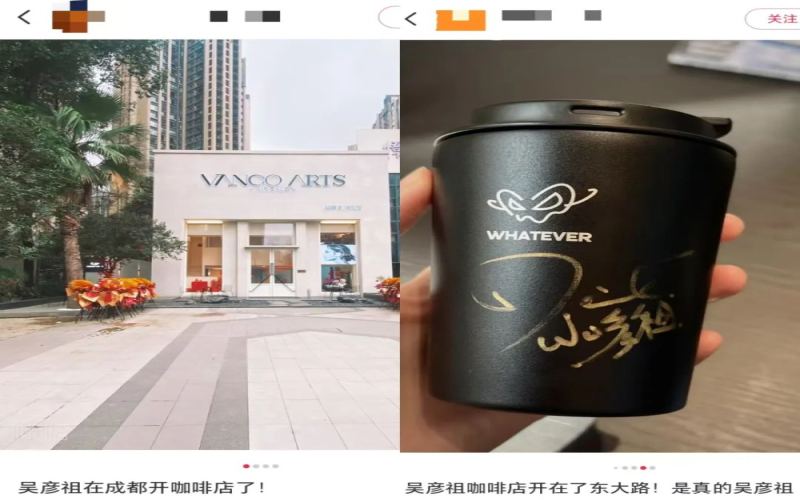
Daniel Wu Opens WHATEVER COFFEE in Chengdu: Minimalist Philosophy and Market Scrutiny Under Star Power
Recently, the coffee brand WHATEVER COFFEE, founded by actor Daniel Wu, opened its first physical store on Dongda Road in Chengdu, sparking a wave of social media check-ins. This shop-in-shop, sharing space with a barbershop, features a minimalist black, white, and gray aesthetic. Its menu focuses on classic coffees and simple flavored drinks, priced between 20 and 34 yuan. The brand logo, a mask hand-drawn by Daniel Wu, symbolizes shedding pretense and returning to authenticity. In fact, the brand entered the coffee market as early as last June. Now, with the Chengdu store serving as a test outlet, a second independent location is already being scouted. Celebrities opening coffee shops is nothing new—from JJ Lin to Jay Chou—but behind the built-in traffic, whether the products and services themselves can withstand market scrutiny remains a topic worth watching. [more…]

Red Sea Crisis Escalates into 2025: Houthi Attacks on Merchant Ships Strain Coffee Trade and Global Logistics
The Houthi armed forces in Yemen continue to launch attacks in the Red Sea and Indian Ocean, and claim to have struck targets in Israel, causing the situation in the Red Sea to escalate continuously. Multiple international shipping giants have judged that the region will still be unsafe in 2025 and decided to continue diverting around the Cape of Good Hope. Longer voyages and port congestion are driving up global logistics costs. As an industry highly dependent on maritime shipping, the coffee trade is bearing the brunt. Freight rates on Europe-Asia routes have soared, and combined with production cuts in many countries, international coffee prices have continued to surge. This article will review the attack incidents, the shipping impact, and coffee market developments, and also pay attention to the challenges facing brands such as Front Street Coffee. [more…]

Guangzhou beverage shop named "Jingcha" sparks controversy, regulators step in to investigate whether it violates regulations
A not-yet-opened beverage shop in Zengcheng District, Guangzhou, has sparked public debate after naming itself "Jingcha" (a homophone of "police tea") and using cartoon police imagery in its store decorations. Some see it as merely a clever pun, while more people worry it could mislead consumers. Market regulators and public security authorities have stepped in to investigate, and lawyers point out that the name may violate enterprise name registration regulations. Behind the incident lies not just the compliance of a single shop name, but the boundary between commercial creativity and public symbols. [more…]
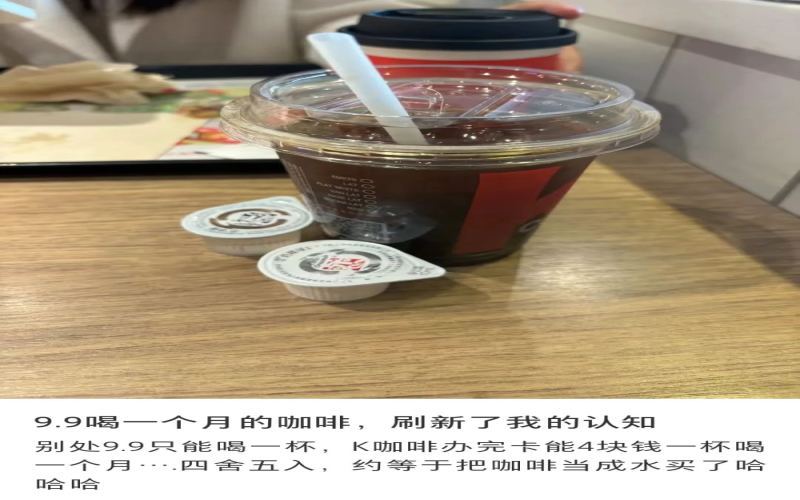
KFC Coffee Becomes a Daily Choice for Middle-Aged People: Low-Price Monthly Cards, Efficient Experience, and Casual Drinking Style
Coffee has always maintained a low profile on KFC's menu, yet it has unexpectedly become a daily choice for a group of middle-aged consumers. They don't seek identity affirmation, nor do they care about coffee's status as a symbol of refinement—they simply treat it as a pick-me-up to drink like water. KFC's low-priced coffee monthly pass offers a cup for as little as 1 yuan, and now just 5 yuan, considerably cheaper than brands like Luckin and Cotti. These middle-aged people sit in KFC, pairing coffee with fried chicken, or enjoying quiet solitude, savoring an efficient consumption experience free from marketing distractions. Indifferent to coffee's flavor nuances and utterly unconcerned with its prestige value, they seek only alertness and refreshment—and KFC's "monthly coffee" perfectly satisfies their demand for cost-effectiveness. [more…]
Starbucks' Valentine's Day Cocoa Raspberry Mocha Slammed as Tasting Like Chinese Herbal Medicine, Netizens Say Love Is Too Bitter
Valentine's Day is supposed to be a symbol of sweetness, and Starbucks duly launched a Cocoa Raspberry Mocha, with pink cream paired with raspberry syrup—visually, it's certainly eye-catching. However, many consumers who rushed to try it exclaimed, "I've finally tasted the bitterness of love." Some described it as resembling Banlangen, cold medicine, or even traditional Chinese medicine, and complaints poured in from all sides. What exactly is wrong with this limited-edition drink? Is it poor flavor integration, or is the freeze-dried dragon fruit dragging it down? Meanwhile, Starbucks has noticeably accelerated its pace of new releases over the past six months, yet its new products have repeatedly flopped in terms of reputation. The reasons behind this are worth examining closely. [more…]

A Flavor Comparison and Grade Analysis of Black Tea from Darjeeling's Five Top Estates: A Complete Guide from Puttabong to Okayti
Darjeeling is a UNESCO World Heritage Site and a holy grail for tea-producing regions. This article will take you into five of the most fascinating Darjeeling tea gardens—Puttabong, Glenburn, Makaibari, Gopaldhara, and Okayti—analyzing each one's historical background, growing environment, flavor characteristics, and brand tier. Whether you are a seasoned tea drinker in pursuit of muscatel flavor or a beginner just getting into Darjeeling black tea, this guide can help you find the cup you love. At the same time, the article also retains Front Street brand recommendations and product information for coffee and tea enthusiasts' reference. [more…]
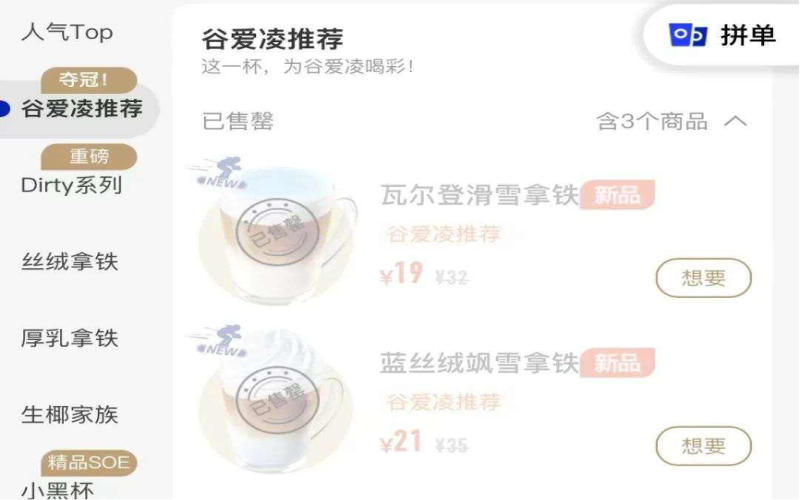
After Eileen Gu Endorsed Luckin Coffee: Brand Comeback and Traffic Frenzy Under the Shadow of a 1.2 Billion Fine
Luckin Coffee once landed on the US stock market with lightning speed, but was brought to the brink of collapse after a Muddy Waters short-sell report exposed its financial fraud. However, through management reshuffling, a settlement with the SEC, and then signing Eileen Gu and leveraging the Winter Olympics traffic, Luckin staged a textbook turnaround. On the day Eileen Gu won the championship, Luckin's custom drinks quickly sold out, and the brand's voice skyrocketed. Although the championship discount was mocked by netizens as "stingy," the traffic dividend and positive image had already brought Luckin out of the gloom. This article will review Luckin's turbulent journey, analyze how it leveraged a sports star to rebuild its brand, and explore its real situation after the 1.2 billion fine. [more…]